

Last year, moviegoers saw whether a man could still fly with Superman. The movie marked the return of the Man of Steel in a blockbuster that not only cast new light on the iconic character but also established a new world in the DCU. The movie introduced several things, including, though briefly, Superman’s cousin Kara Zor-El (Milly Alcock). In her cameo, I could tell that there was something unique about this take on the character, and it had me curious. Well, it would not take long to see Superman’s cousin again, as Kara would hit the big screen in Supergirl: a movie directed by Craig Gillepse, which sees Kara travel the galaxy with the young Ruthye (Eve Ridley) to track down the raider Krem (Matthias Schoenaerts) and save Krypto’s life.
The movie was originally titled Supergirl: Woman of Tomorrow and was among the first projects announced for the DCU’s first chapter, Gods and Monsters. Like its original namesake, Supergirl takes heavy inspiration from the acclaimed story written by Tom King. Being the second film in the DCU, it was going to be interesting Supergirl played out and how it would differ from its sibling film. The film made its debut this past June, and unfortunately it did not receive the best reception. Seeing the film for myself and hearing some of the backlash, I was somewhat apprehensive about this new DC film. However, while it does have some missteps, I think Supergirl had something to offer this new cinematic universe.
Supergirl leads a Simplified Space Adventure

Ultimately, the biggest issue for Supergirl was one of miscommunication. Bringing in Craig Gillepse as the director wasn’t a bad choice on paper, but I think he was out of his depth and struggled to convey some of the film’s bigger ideas, along with translating the screenplay to the silver screen. This was evident in the story. The story had some good ideas and themes; it was straightforward in direction and execution, and it left me wanting more from this space adventure.
Yet something about this superpowered tale was engaging, and I believe it was its character-driven nature. At its core, the story was about Kara and who she is and what she is dealing with. This direction was admirable because it gave this sci-fi plot a pragmatic edge, especially in the moments surrounding Kara’s past. While these parts could have been more defined, they were still effective as they were well done and brought a grounded element to an otherwise, out of this world story.
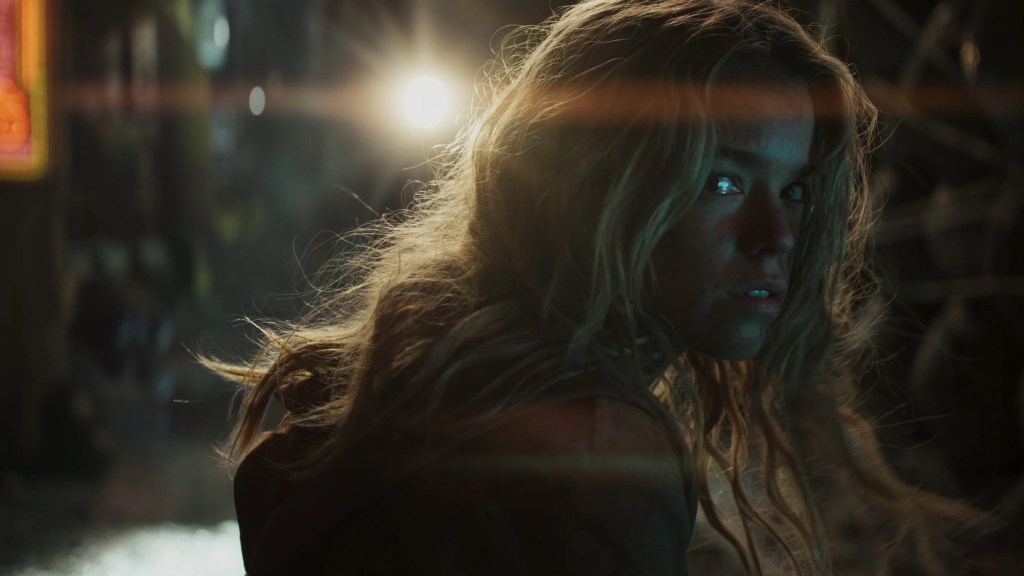
Speaking of the woman of tomorrow, Milly Alcock soared as Kara. As previously stated, this take on the heroine had me intrigued since her appearance in Superman, and she did not disappoint. Kara’s character was sound, with her tomboy personality as well as the inner turmoil she struggles with. These attributes culminated in development that was fitting, albeit familiar to superhero movies. Regardless, Kara’s character was impressive, and Milly’s performance was up to the task in bringing this heroine to life.
As for the rest of the cast, the characters were hit and miss. Ruthye did not have the depth of Kara, but she was still effective in being a foil for Supergirl. As for the villain, Krem was not the most foreboding antagonist. However, Mattias’ performance was enjoyable and gave the space raider a decent impression. Helping to round out the cast were David Krumholtz as Kara’s father Zor-El and, of course, David Corenswet as Superman; both served their purpose in fleshing out Kara’s character. Last, and certainly not least, was Jason Momoa as the notorious anti-hero Lobo. While Lobo’s inclusion was questionable, the character was memorable thanks to Jason’s performance, which took his typical energy and raised it to 11.
Conflicting Visuals Meet Impressive Action!
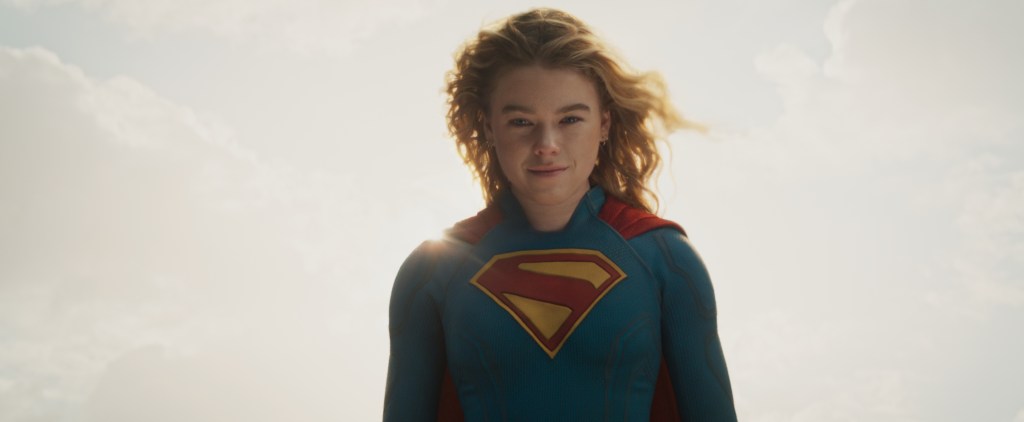
Supergirl prided itself on being a space adventure with a western flair, and the film’s aesthetic and visuals reflected that; though I found the movie’s look hit or miss. The gritty approach captured the western essence the filmmakers intended, but it left much to be desired visually. However, the design of the broader galaxy had some merits. While some concepts were reminiscent of films such as Guardians of the Galaxy, there was a sense of creativity to the sci-fi elements that gave this world some distinction, particularly in the execution of the different planets that shaped this part of the DCU.
The movie had its fair share of action scenes, and I was surprised at how well they turned out. While it may not have been nonstop, the film’s action was impressive thanks to the inventive nature behind each scene. Sequences such as the fight on the space bus and parts of the finale showcased this creative direction that was not only a highlight of the film, but also stood out in a genre filled with grandiose action.
Rounding things out for Supergirl was the music. The film used an array of pop songs in its soundtrack, and though the songs were nothing new, they did work for the movie’s tone and concepts. Meanwhile, the score by Claudia Same was a notable highlight; more so than I would have anticipated. Along with featuring thematic tunes for Kara’s character, the score emphasized the film’s sense of sci-fi and made for an endearing soundtrack for this DC film.
Supergirl is a moderate next step for the DCU. The film suffers from issues in its execution, with parts of the story and visual aspects leaving much to be desired. Yet the movie also showed a sense of nuance, as its lead character and action scenes were stellar in their delivery. Needless to say, this DC film is indeed a mixed bag and, in some ways, a setback for DC Studios. Yet I think this film will endure, as its title character has more to offer this new cinematic universe, and if nothing else, its sense of entertainment makes this superhero film an acceptable rewatch.




Leave a Reply