
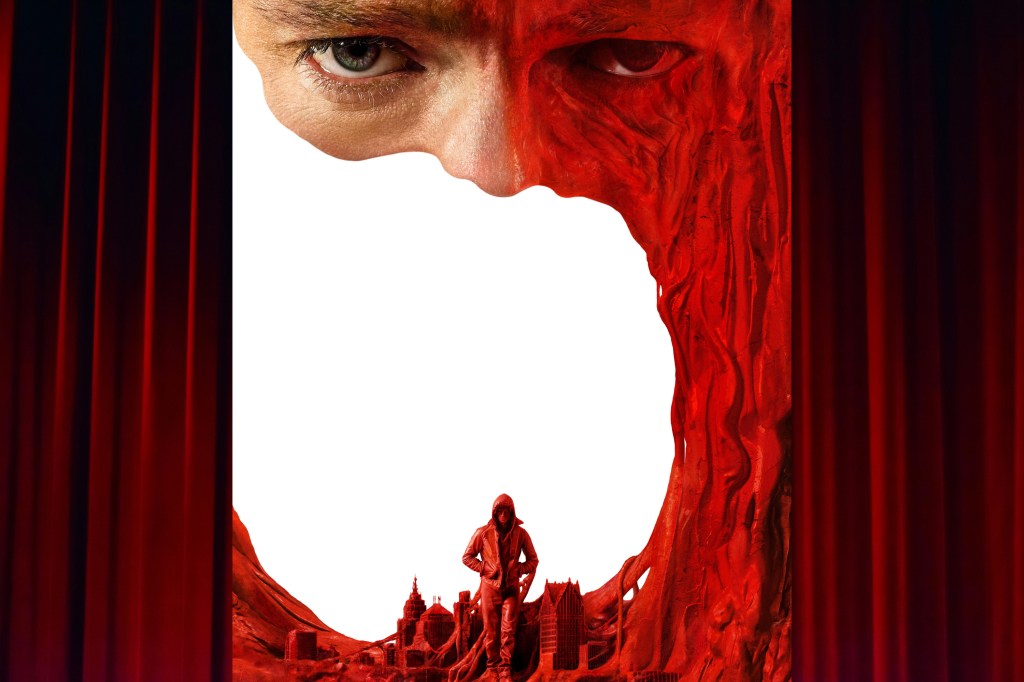
If you had told me a few years ago that Clayface, one of Batman’s villains, would receive his own movie, I would have raised an eyebrow. The notorious rogue has come in many forms and has been a staple for Batman in most media. Yet the character has never graced the big screen before, let alone received his own movie. However, in an age where heroes and villains have had their share of films, it seems fortune has smiled on this grotesque character, with DC Studios’ Clayface: a horror-esque film that centers on actor Matt Hagen (Tom Rhys-Harries), who gains shapeshifting abilities from an experimental treatment and uses these powers to take revenge on those who destroyed his life.
Clayface is part of the DCU’s first chapter, Gods and Monsters, but that was not always the case. Acclaimed filmmaker Mike Flaggian wrote a story centered on the DC villain, and James Gunn and Peter Safran liked it so much that they greenlit it for their cinematic universe. However, due to other obligations, Mike Flannigan could not direct the movie, so James Watkins stepped in to take on the project. Taking notes from the episode Feat of Clay from Batman: The Animated Series, the movie also takes inspiration from other Body Horror films like 1986’s The Fly.
The idea of a Clayface film intrigued me. While I never expected it, the concept was still interesting, and between its inspiration and everyone involved, the project felt more and more like a must-see film. Plus, I am an avid Batman fan, so I knew I would see the movie no matter what. Now Clayface is out, and after seeing it, I was left with many thoughts, the most prominent being a clear statement: now that was a supervillain film.
A Tragic Supervillain Tale
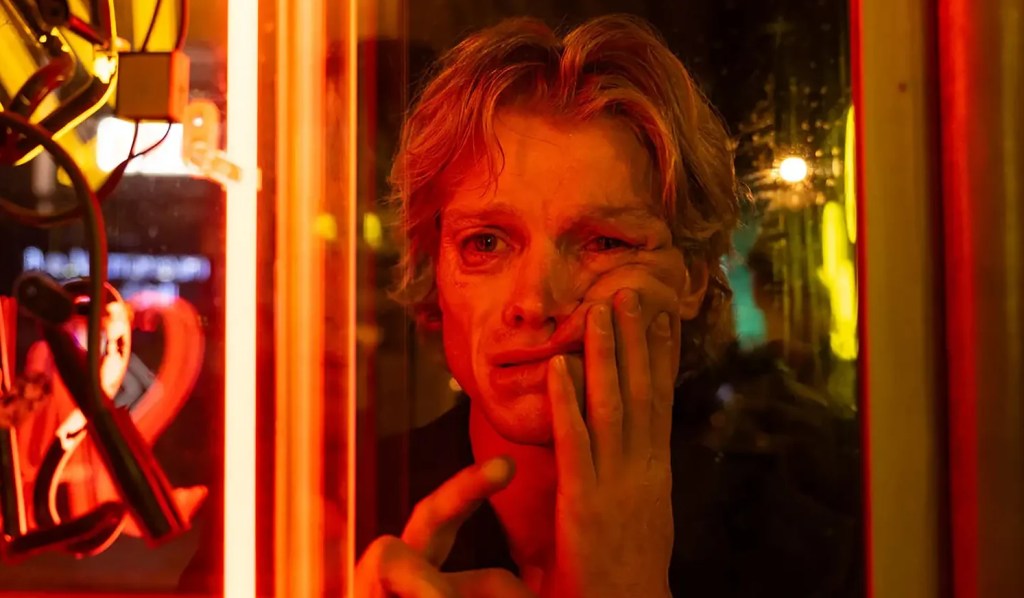
The idea of having a supervillain taking center stage has appeared several times on screen, from Venom to Black Adam, and they have varied in quality. Yet Clayface excelled where many have failed thanks to its grasp on both the character and the story. The story was a gripping tale about vengeance and obsession, and its good character-driven nature was complemented by its sense of pacing. This keen storytelling showcased aspects you would typically see in a superhero movie, like the protagonist learning to use their powers, but in a way that was refreshing and twisted thanks to the story’s unsettling nature.
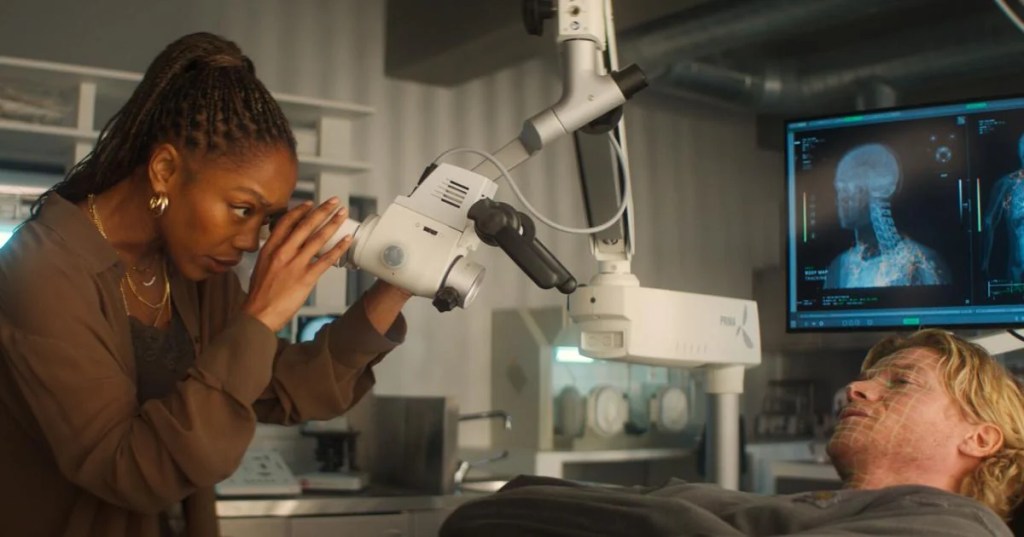
To shape this story, the movie crafted a formidable lead in Matt Hagen. The character was engaging as his descent into villainy was both tragic and reasonable. This immersive character was brought to life thanks to the performance of Tom Rhy-Harries. Harries brought both subtlety and intensity to his role, and highlighted one of the DCU’s strongest aspects, which is its strong sense of character. Naomi Ackie played off Harries as Dr. Caitlyn Corr, and she was up to the task, delivering a solid performance that matched her fellow castmate. The supporting cast were no slouches either, with Max Minghella and David Denrick bringing a lot of energy to their respective roles, and I was taken aback by how much character they brought to the cast.
The direction in both the story and the characters shaped the film’s eerie atmosphere and turned it into a pseudo-horror experience. While I cannot say it was a traditional horror film, the movie managed to capture the essence of one thanks to the impressive direction of James Watkins. Watkins’ intense style was able to craft a compelling world that could easily belong in the realms of Batman. Watkins understood the assignment by making a monster story that had a lot of heart to it.
A Grotesque Spectacle
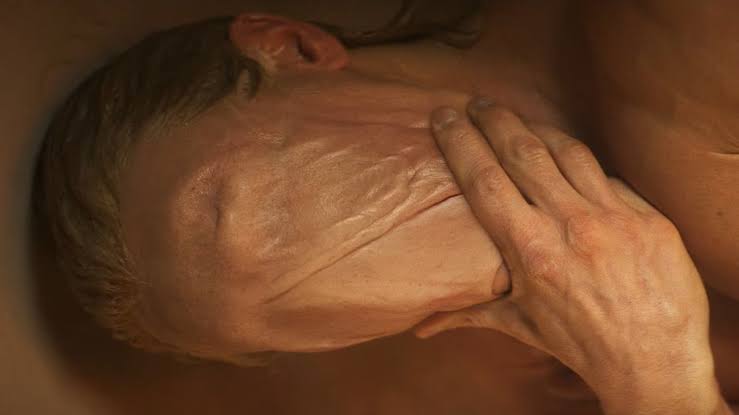
With a film featuring such a fantastical character, it only made sense that aspects like effects would take center stage, and it did not disappoint. Hagen’s transformations were brilliantly executed and just gruesome to watch. The only effect I found to be off was when Matt shapeshifted into other people. The effect was effective in more intimate situations, but it could get spotty in the film’s latter half. Yet the issue with shape-shifting was fairly minor and did not do much, if anything, to detract from the impressive creature effects.
These monstrous effects were complemented by the movie’s gore. The gore did not shy away from getting a little bloody as it strove for intense scenes that were distinct and brutal. This was evident in moments such as the airplane sequence, which was unsettling thanks to its keen direction and execution. Matching this were the film’s more brutal scenes that captured the movie’s creativity as well as its gory nature. No moment better encapsulated this than the movie’s last act, which saw the body count rise dynamically.
Crafting the film’s spectacle were aspects such as the cinematography and music. Rob Hardy’s look fit the film’s gritty tone and used clay-like colors that felt perfectly appropriate for the movie’s concept. Complementing the cinematography was the movie’s setting. Gotham had a gross and distinct look to it and felt like an amalgamation of previous films set in the iconic city, from The Dark Knight Trilogy to even Birds of Prey. The music was a major highlight for the film. Along with some fitting needle drops, the score by Volker Bertelmann was a gripping and enticing soundtrack that was among the best I heard this year and cemented a stylish presentation for this villainous film.
Clayface is a defining film for the DCU. The movie brings a refreshing take on supervillains with its tragic storytelling and character development, and crafts a unique aesthetic with its gruesome presentation. Though this film was not intended to be an introduction to Batman and Gotham, it serves as a fantastic building block for this universe’s take on The Dark Knight. The movie showcases the ingenuity behind DC films and their willingness to try new concepts and bold takes. Enticing and grotesque, this film succeeds in one of DC Studios’ promises by being a movie with a unique style and vision, and it gives this new universe a one-of-a-kind experience that is a standout for the genre as well as for 2026.





Leave a Reply